info@samratrestaurant.nl
 020-624-6033


Culture lives on every street in Amsterdam. The Dutch capital is an incomparable ride through culture — both a pilgrimage back to old, gabled buildings and world-famous paintings and a point of arrival for today’s most innovative art installations. Whether you plan to spend a weekend in the city, holiday with your family, or take a deeper dive into European history and art, Amsterdam's museums and cultural attractions make for unforgettable days.
But after a day spent trawling through galleries, immersing yourself in tenuously related stories of centuries past and charming, lively neighbourhoods, there's one thing that will unite everyone – a lovely, leisurely dinner in the heart of the city. Somewhere to sit, somewhere to think about the day, have a chin wag, and taste things that are familiar but special.
This guide will walk you through Amsterdam’s key museums and cultural sites, highlighting how a day of touring should lead to the ideal dinner experience in Amsterdam Centrum, just minutes from some of the city’s significant landmarks.
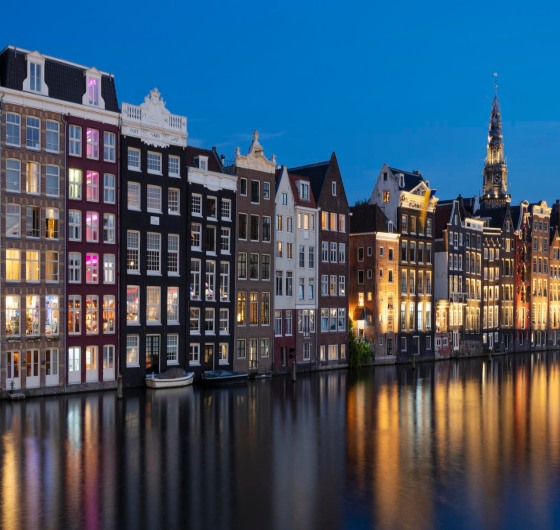
Discovering Amsterdam’s Golden Age and Historic Foundations
The identity of Amsterdam is indissoluble from that golden age, when in the 17th century the city became one of the world’s most dynamic hubs of trade, art, and ideas. Prosperity earned from worldwide trade altered the city’s fabric and fostered grand canal houses, civic institutions of many sorts, and a cultural environment that favored creativity, learning, and openness. And yet today’s museums share these same buildings, and the experience is not one of panoptic distance, but lived history.
Between them, the museums provide an intimate tour through Amsterdam’s origins and how this has grown from a small erh settlement to become the confident global town that it is today.
Rembrandt House Museum (Museum Het Rembrandthuis)
In the middle of the old part of Amsterdam lies the house where Rembrandt lived and worked during his most successful years. As you walk through this house, it’s as if you step directly into the 17th century. The rooms have been meticulously restored to show how everyday life in the home would have been at the time, and how Rembrandt lived, taught his students, and experimented with the techniques that would make him a master.
Its intimacy is striking. Visitors find the artist, not a remote genius, but as an artisan at work — grinding pigments, experimenting with light, and living the hard realities of what he does. Humility and humanity are what you get when visiting the modest scale of the house in contrast to Rembrandt’s enduring power.
Most visitors are quietly awed and curious, lingering with the afterimage of the museum. The nearby canals and medieval streets already beckon an easy rhythm, much paved in reflection before heading back into the city for the night.
Amsterdam Museum
The Amsterdam Museum is essential for grasping the city as a whole. Instead of a single figure or an era, it is the tale of the city itself — from its early existence as a fishing village to its emergence as a global trading hub and on to becoming a modern, multiracial capital.
The museum’s displays include paintings, objects, multimedia presentations, and personal stories that provide a human dimension to Amsterdam rather than simply the iconic view. Themes of migration, tolerance, innovation, and civic pride run through the work, explaining not only what Amsterdam grew to be but why.
Visitors often report a different kind of walk along the streets of the city after touring the museum. The streets, buildings, and canals feel more significant, which makes eating dinner in Amsterdam Centrum a continuation of the city’s story rather than some distinct break in the day.
Willet-Holthuysen Museum
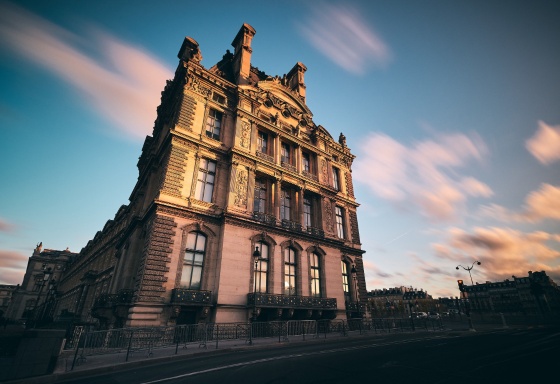
The opulent 19th-century canal-side home lives on at the Willet-Holthuysen Museum, providing an insight into Amsterdam’s wealthy elites back in the day. Located in a grand canal house, the museum retains rich interiors, period-decorated rooms, and formal gardens that reflect a life steeped in privilege and social status.
The mood in here is tranquil, a stark contrast to the buzzing boulevards outside. Every room displays information about domestic life, etiquette, and taste, allowing visitors to come away with an understanding of how wealth manifested itself in private spaces.
Those who enjoy quieter, more thoughtful cultural pastimes will surely find this museum to be especially enriching. Its deliberate pacing and sleek production even justify surveillance and stillness above action, which makes it a good tour for tourists who are interested in depth rather than spectacle.
Museum Van Loon
Another picturesque canal house, Museum Van Loon, highlights the story of an influential Amsterdam family and their influence on the city’s social and political affairs. Portraits, furniture, and decorative details chart generations of continuity, ambition, and improvement.
One of the library’s most memorable aspects is its courtyard garden — a restful, green refuge that can seem like a secret oasis in the city. The shift from ornate interior to serene outdoor space underscores the balance of public grandeur and private sanctuary that characterized elite life in Amsterdam.
When they leave these historic rooms, as history’s rich and famous funneled in to marvel over the world’s best art collection, they’re frequently inclined to stretch the day gently on—toward a quiet evening that unfurls with as much ease and grace that was evident between its walls.
Allard Pierson Museum
Focusing on archaeology and ancient cultures, the Allard Pierson Museum connects Amsterdam with the rest of mankind. Its collections range from ancient Egypt and Greece to Rome and the Near East, connecting the city’s intellectual traditions to thousands of years of world history.
The museum is for visitors who like ideas as much as things. It invites us to consider how cultures ascend, trade intelligences and leave a trace — one that feels particularly poignant given Amsterdam’s history as a nexus of both commerce and thought.
Sitting down to dinner after such a mentally absorbing visit is far more than a matter of mere sustenance. Now time to take in ideas, compare notes, and allow conversations to develop as they will — a nice way of capping what has been a day that is rich with history and rewarding to the intellect.
The World-Famous Art Museums of Amsterdam
Amsterdam’s reputation as a global art destination is anchored by its internationally renowned museums. These institutions attract millions of visitors each year and form the cultural heartbeat of the city.
Rijksmuseum
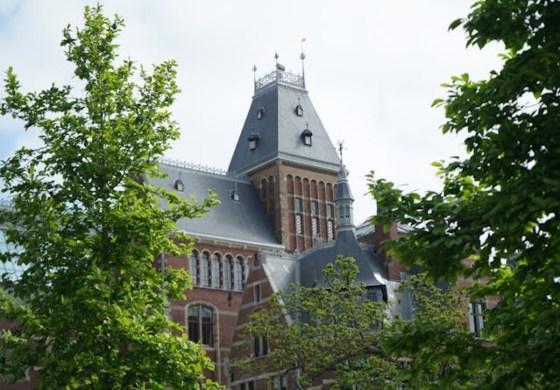
The Rijksmuseum holds the national collection of art and history and is one of the largest cultural institutions in Europe. Ranging across the centuries, its collection provides an overview of Dutch art and history with works in painting, sculpture, decorative arts, and a wide variety of historical objects. In it world famous works like The Night Watch hang amid lesser-known canvases that together make up a complete picture of Dutch society, from the everyday to global ambition.
A huge expanse, its sprawling galleries hold visitors for hours. The experience oscillates between grandiose oil paintings, finely detailed portraits, maritime history, and delicate crafts rooted in the Netherlands’ long tradition of trade and craftsmanship. The size, scope, and depth of the collection make it a visually intense and intellectually dense visit.
After taking in the Rijksmuseum, most visitors are ready to escape the bustling Museum Quarter. Back toward Amsterdam Centrum, and the tempo naturally slows down with the day. Dinner is less a matter of necessity and more an act of comfort, centering around easing into the evening; resting, reflecting on life, and leaving everyone else to fend for themselves in the rush.
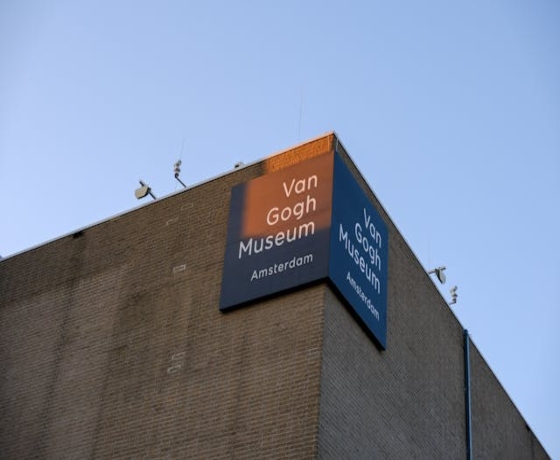
Van Gogh Museum
Van Gogh Museum: One of the most moving museum experiences in Amsterdam is the Van Gogh Museum. Only by telling the story of Vincent van Gogh not through his art but through letters, personal objects, and most significantly, in paint, can the show open a window into the heart: The heart of an artist transformed by struggle, hope, and dogged persistence.
Post’s straightforward, by-the-year presentation allows you to see how he developed as an artist one step at a time and provides viewers with a glimpse of what his mind was like at certain points from various periods. His letters lend depth and vulnerability, and for many visitors the effect is one of reflection and quiet stirring. This is not a museum to hurry through, but one in which pauses and personal interpretation are the more highly valued tools of observation.
Dinner after the Van Gogh Museum often isn’t rushed. A lot of people want a quiet place to be able to converse softly and share impressions that can breathe some life back into you after the amount of expression and emotion in your system.
Stedelijk Museum
Modern and contemporary art lovers will want to visit the Stedelijk Museum. Its holdings range from the major movements, including De Stijl and Bauhaus, to experimental installations, graphic design, and cutting-edge contemporary work. The museum emphasizes ideas, innovation, and the visual language more than historical narrative.
A trip to the Stedelijk is typically an energising and eye-opening affair. Strong color, form, and ideas invite guests to look at art and design anew. It is very popular among creatives, designers, and those curious about how art reacts to the modern world.
Amsterdam is good at contrasts, and here’s another. Many people like to head back out into the historic streets of Amsterdam Centrum after taking in modern art. The more modern themes are subverted to traditional ambience, and there is a sense of balance – this evening is served straight-up.
Moco Museum
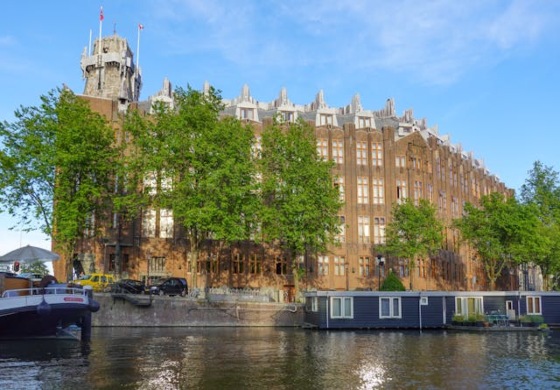
The Moco Museum showcases modern and street art in a casual, vibrant atmosphere. With pieces by the likes of Banksy and other contemporary artists, its shows concentrate on timely social commentary, cultural significance, and visual appeal. It also provides an interesting juxtaposition between classic building and rebellious contemporary art in a townhouse from the Victorian era.
The museum is laid out in such a way that it’s easy to see without feeling overwhelmed. The shows are made to drive reaction and conversation — opinions one way or the other, in any case — among its visitors.
Those conversations don’t often end at the museum exit. Dinner afterwards is a natural extension of the experience – an environment where concepts can flow freely and the day’s creativity can filter into relaxed conversation.
Museums That Tell Stories of Humanity and Memory
Some museums do more than inform; they leave an emotional imprint. These spaces encourage visitors to reflect on history, identity, and resilience, often shaping the mood of the entire day. Rather than energising, they invite pause, silence, and thoughtful conversation. In Amsterdam, several museums stand out for their ability to connect personal stories with broader human experiences.
Anne Frank House
The Anne Frank House is one of the most popular and affecting places to visit in Amsterdam. Wandering through the cramped spaces of the secret annex where Anne Frank and her family, along with others, hid during World War II is an incredibly humbling experience. The physical intimacy of the space won’t let you pretend that fear, lockdown, and hope don’t exist.
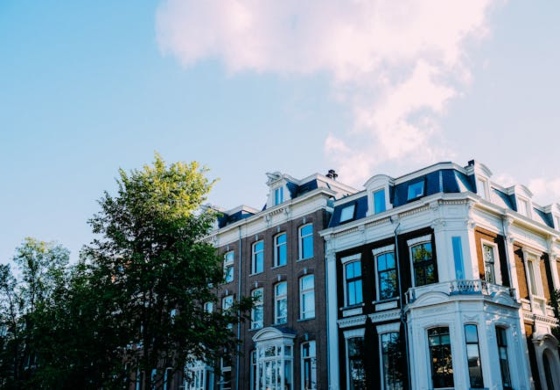
Quotations from Anne’s diary, along with intact rooms, bring it home that this is history. Many visitors exit quietly, emotions too heavy for immediate conversation tucked inside. The encounter tends to linger with them well after they return to the street.
This emotional weight has made the rest of the day drag on. Following that with a relaxed, polite dinner allows for time to process and discuss this, and the result feels more like an extension of what you’ve seen than an unpleasant counterpoint to it.
Jewish Historical Museum
A wide and subtle analysis of Jewish life in the Netherlands in general is to be found at the Joods Historisch Museum. Instead of attending to a particular moment in history, it paints an overlapping portrait of religious observance, domestic life, cultural mediation, and the struggles Jewish communities have faced throughout the millennia.
The museum uses personal stories, objects, and history to challenge visitors to see identity not as something immutable but as something shaped by migration, belief, and resilience. Its location in the vicinity of the old synagogues adds to the sensation that this history is woven through the fabric of the city.
After a trip to the museum, some prefer to enjoy their meal in a relaxed and cozy atmosphere, where one should be able to engage in pleasant discussions. It’s an experience that invariably fosters meaningful conversation, turning dinner into a venue for connection rather than chaos or urgency.
Hermitage Amsterdam
Hermitage Amsterdam takes world history and culture to the heart of the city with a series of changing exhibitions from collections around the world. In a lineage to the world-famous Hermitage family, it taps into Amsterdam at large, stories of art, power, and common human heritage.
The themes of the museum’s exhibitions often have a universal character—leadership, creativity, conflict, and cultural exchange, placing Amsterdam in a broader, global context. This view emphasizes the city’s historic function as a nexus of ideas and cultures.
So, after a day spent focusing on international connections and shared history, it somehow feels appropriate to be tucking into dinner in the heart of Amsterdam Centrum. The environment provides an opportunity to digest what has been seen, while re-immersing in the contemporary rhythm of the city and bookending this experience in a calm and grounded way.
Interactive, Educational, and Family-Friendly Museums
Amsterdam is not only about classical art and history; it also excels in interactive and educational experiences that appeal to families and curious minds.
NEMO Science Museum
There’s no mistaking that learning is active and fun at NEMO Science Museum when you see the colorful green building from the outside right away. The indoors of the building present science with 'hands-on' experiments, interactive installations, and demonstrations that encourage people to touch, try, and question the world our lives are shaped by. Physics, technology, energy, and the body are all treated in a surprisingly intuitive rather than book-learned way.
The museum is particularly popular with families and kids, but its appeal reaches far beyond the younger set. What adults are they busy, too, and regain their lost sense of wonder in easy experiments and visual explanations. Its open design and lively vibe deliver a ‘dynamic, always-in-motion’ feeling that manages to maintain visitor energy levels from morning until evening.
After an energized day at NEMO, most families crave a little downtime. And a laid-back experience is imperative, best served in a comfortable and welcoming environment that’s good for all ages to be able to let their hair down and discuss the day.
Tropenmuseum
The Tropenmuseum shows the splendour of world cultures and brings together the heritage of different cultures, enabling perspectives on others' traditions, history, and socialThemes. Instead, rather than presenting cultures as distant and abstract, the museum emphasizes lived experience, personal stories, and current connections that make global issues seem relevant and human.
Visitors navigate exhibitions that prompt contemplation about issues of identity, migration, colonial history, and cultural exchange. The museum is one in which to be open and empathetic, encouraging visitors to experience the world from other points of view. It’s educational and provocative, for those who like museums that provoke thought or upend expectations.
Dinner, often an extension of the theme, is a follow-up to such a culturally rich experience. The ambiance is warm, welcoming, and layered, which provides continuity to the stories coming from around the world throughout the day, a place for conversations to continue in an open room that is non-pretentious.
The National Maritime Museum
Occupying a former naval warehouse, the National Maritime Museum traces the history of the Netherlands’ maritime achievements and mishaps. By way of ship models, navigational instruments, maps, and interactive displays, it explains how maritime trade, exploration, and naval power defined the country’s economy and global influence.
The museum animates history by merging technical innovation and human ambition. Visitors can learn about the sailors’, merchants and explorers' lives, as well as about their perils and gains. Even the setting supports the narrative, echoed by squll and the docks and the old architecture of centuries past.
And after you’ve soaked up the salty historical vibes, it’s doubly appropriate to journey to Amsterdam Centrum for dinner along its canals. The waterways that brought ships and goods now steer visitors toward a more tranquil evening, all the while upholding the city’s timeless bond to water, trade, and shared experience.
Fashion, Photography, and Amsterdam’s Unique Museums
Beyond traditional museums, Amsterdam offers niche and contemporary cultural spaces that showcase creativity in unexpected ways.
Foam Photography Museum & Foam Keizersgracht
Foam Fotografiemuseum thematically celebrates all photography commands varying from documentary to art, fashion, and experimental image spiraling. Its exhibitions rotate constantly, so no two visits are alike. This new way of working meant we could keep the museum fresh, up-to-date, and attractive to all kinds of visitors--photography lovers and casuals alike.
Designed as an intimate space, the museum invites close engagement with the art on view. Photography isn’t just about static images; it’s a medium for emotion, social change, identity , and moments in our history. Visitors tend to shuffle from room to room at a leisurely pace, taking in stories told not through words but images.
On a picturesque canal, the Keizersgracht, Foam fits easily into an evening stroll. It means that after your eyes have feasted on the scenery, walking by the water gives the mind a chance to settle down into an evening mode of low-level cultural appreciation and languid relaxation at an appropriately lazy pace.
Museum of Bags and Purses
However, what the Museum of Bags and Purses offers is a surprisingly fertile journey through fashion, handicrafts, and social history. Ranging from the medieval period to modern design, here you can see how bags and purses have changed along with society, status, and personal expression.
Here, the visitor finds everything from utilitarian leather pouches to exquisite pieces made for royalty, as well as contemporary luxury brands. More than just aesthetic objects, the museum emphasises how these artifacts were used and carried out everyday life — what it was like for people to carry money, documents, or personal items through various periods.
The vibe is stylish and serene, appealing to museum goers who also love fashion and are interested in design and detail. After such a sophisticated and contemplative experience, most visitors want to end off here in a similar easygoing manner, drawing on comfort and conversation over stimulation.
Museum of Prostitution
Right in the centre of Amsterdam is a museum that takes you into one of Amsterdam’s most talked about and least understood parts. Far from sensationalising the topic, the museum is a respectful and educational look at sex work.
Visitors leave with a greater understanding of the social, legal, and human dimensions of the profession by hearing personal stories, learning history, and experiencing re-created spaces. The experience defies expectations and invites conversation, leading visitors to challenge assumptions about morality, choice, and work.
After examining something so challenging and thought-provoking, some people want to spend the rest of the night in a lack of style. A peaceful dinner atmosphere is the perfect opportunity to digest thoughts, exchange views, and softly come to an end for a day where we have ventured into some of the most varied and multi-layered facets of Amsterdam culture.
Ending Your Cultural Day in Amsterdam Centrum
After a day spent in museums and trundling along canals, absorbing layers of history and art, Amsterdam Centrum is the feel‐good place to be when it’s time to pause, meet up, and eat. The city centre serves as a power node connecting major museum districts with high-speed tram lines, scenic canals, and highly walkable streets. This lack of barrier between culture and nightcap promotes the gossamer movement from daylight curiosity to evening recovery.
Bethaniëndwarsstraat, close to Dam Square and the central canal belt, is great for a dinner in the evening. The site's position makes it easy for tourists to visit with minimum travel distance and complicated routes. Coming from the Museum Quarter, Jewish Cultural Quarter, or east of the docks, this part of town is easy and instinctive to reach.
Dinner in these parts is seldom in a rush. Instead, it’s a rest — an opportunity to be still, consider the day you’ve had and taste something that also feels grounding after hours of visual and emotional stimulation. The atmosphere is naturally conducive to conversation and tranquillity, great for couples seeking a romantic city break, families recharging after hectic itineraries, or friends getting far too loud sharing their travel stories.
Facilitating the experience Ending up in Amsterdam Centrum provides a balanced ending. Culture, energy, and exploration melt into the comfort of home, bringing to life the city not just as a destination but as one that knows when to slow its pace.
Why Dinner Completes the Cultural Experience
Culture is not just what fills our museums. Food has so much to do with how we experience a city. Right Balanced meal after hours of looking and feeling so hard. It gets people sitting across from each other, slows the tempo, and conversational volume starts flowing around as naturally.
In diversity, the old and new can live together in harmony — no struggle, as there once was — Amsterdam, dining is a part of this cultural journey. It is the closing chapter to a day of discovery — a chapter that leaves you feeling satisfied, connected, and pining for more.
A dinner spot in the center of the action is what museumgoers might already feel thankful for: warmth, welcome, and that feeling of being at home in a city that has given them so much during the day.
A Perfect Ending to an Amsterdam Museum Day
Amsterdam’s museums are multiple stories high — not just about art, or science, or humanity, or creativity. Whether it’s art by the masters of the Dutch Golden Age or cutting-edge contemporary visionaries, colossal science displays or edgy photography, there’s a new layer to the city offering more insight into its past and present for those who are travelling (and living) here.
And as for all I love about the day, with its intensified vibrance, it is best enjoyed winding down organically. A relaxed dinner in Amsterdam Centrum is a nice way to end the night. Lives slow down, conversations stretch long, and the sounds of our day can nestle in. And what begins with a list of visits to museums becomes coherence, memory informed by introspection and solace.”
Dinner at this point is no longer a utilitarian break. It’s a hub of inspiration and conversation, discovery and ease, culture and cuisine. It also wouldn’t be possible without the city centre’s gentle evening rhythm, allowing for such a relaxed surrendering of the day.
If you’re an Amsterdam novice, or if you’re getting re-acquainted with the city on account of a constellation of new museums, it’s bound to be accompanied by a thoughtfully chosen dinner at the end of your cultural odyssey. Amid the hubbub of a city, discovery is a pleasure until the day feels wrung full and round in that ancient satisfaction.